

Every year the industry asks what is next. Looking back, only a few answers mattered — the ones that changed how a house actually behaves rather than what it can list on a spec sheet. For homes around Greenwich and the wider area, these are the shifts worth keeping.
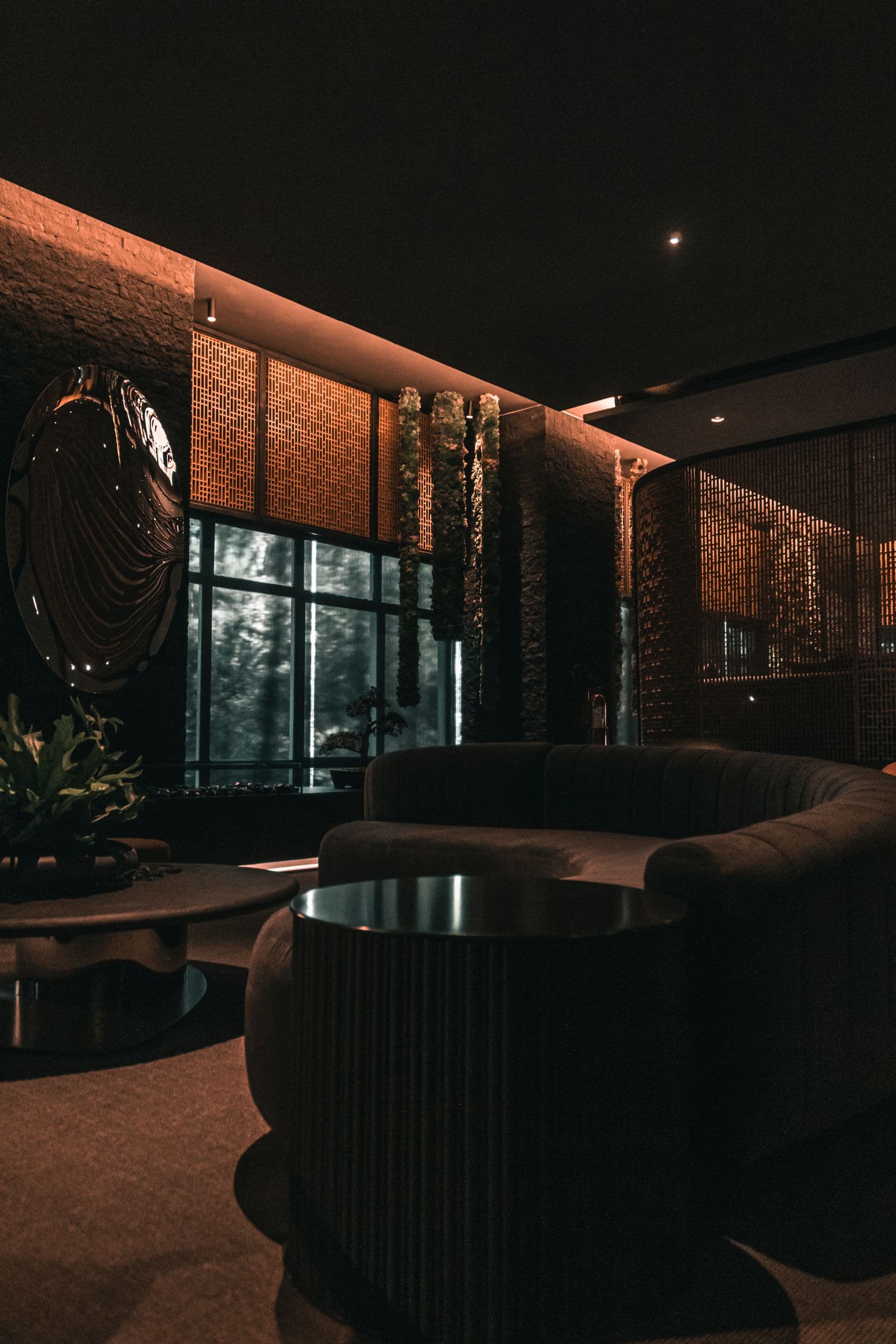
The first is automation that runs itself. The best systems act on schedules and events, not taps: lights that hold to the day, a room that responds when a door opens, a house that no longer waits to be told. Faster, more reliable networks only made that disappearing act smoother.
The second is voice, spread across Alexa, Google, and Apple. Used well, it is not a novelty. It is another quiet way into the same orchestration, a word standing in for a walk across the room.
The third is light itself. Tunable, circadian lighting follows the body's rhythms — cool and bright by day, warm and low at night — countering the flatness of artificial light. Paired with automation, it changes through the day without anyone touching it.
Running under all of it is design. The real progress has been in hidden speakers, concealed hardware, and fewer cords: technology that earns its place by staying out of sight. That is the part we have always cared about most.