
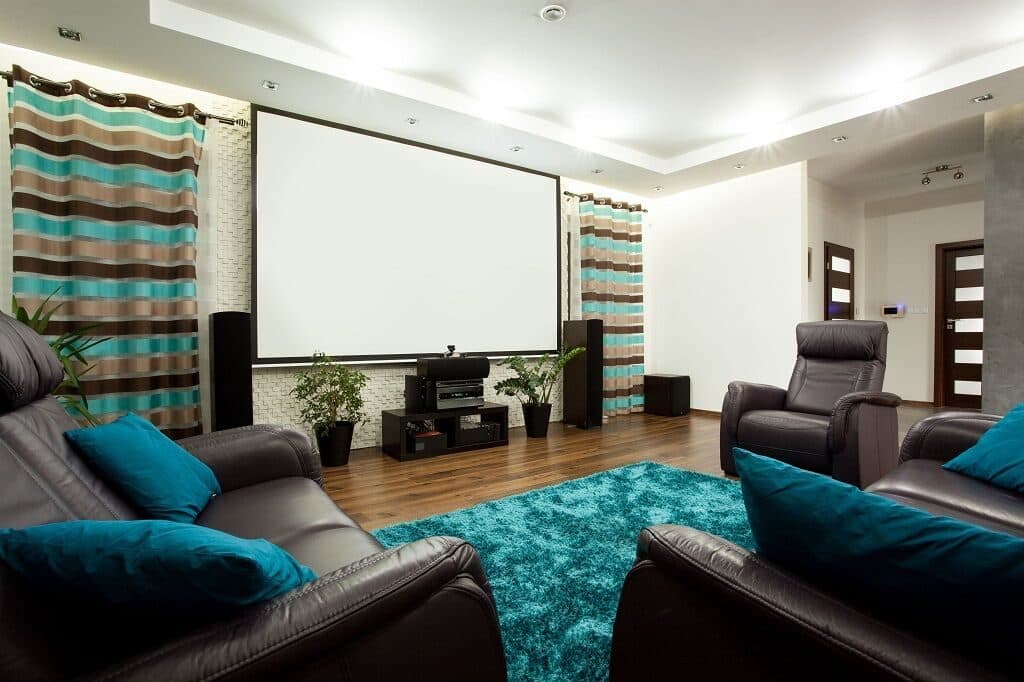
Every house deserves one room built for films and music, and comfortable enough to spend an evening in. In Westchester County and beyond, the media room is where that happens. But it is a set of decisions, not a shopping list, and they have to agree with one another.
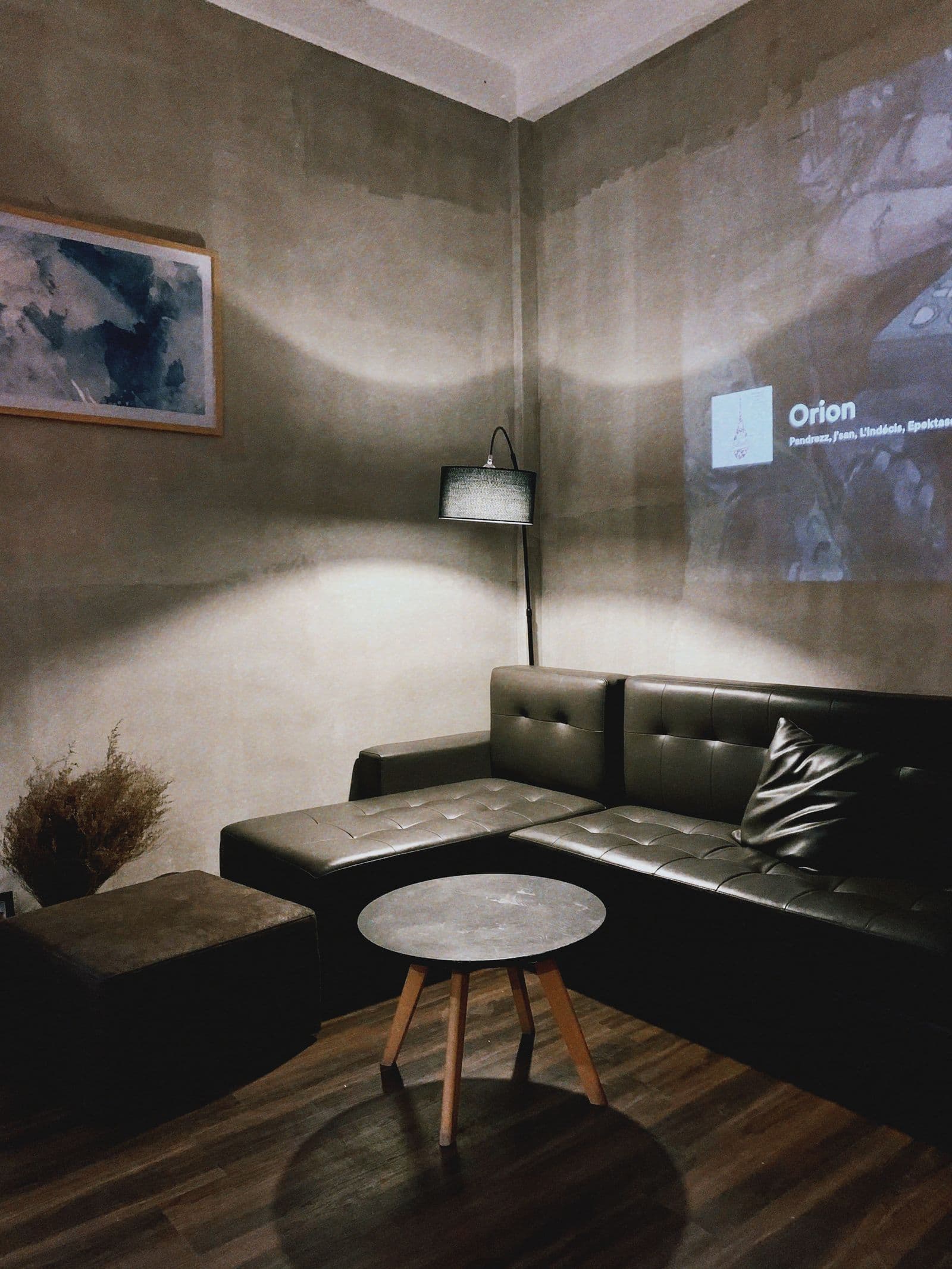
Start with the picture. Whatever the display, it should handle 4K, and it should be sized to the seats: a screen roughly a third to two-thirds of the viewing distance reads as immersive without straining the eye. Bigger is not the goal. Right is.
Sound carries half the film. A proper surround system starts at five speakers and a subwoofer — centre, left, and right up front, two more around or above the seats, and bass placed where the room wants it. Balanced well, you stop hearing speakers and start hearing the room.
Then there is light. A media room usually lives in a bright, shared part of the house, so glare is the enemy. Motorised shades and full lighting control let the space move from open and social to dark and cinematic on cue, and solve the problem the windows create.
None of it works without calibration. The pieces have to be placed and tuned to talk to each other, which is the case for bringing in an integrator rather than assembling it yourself — the difference between components in a room and a room that performs.