
For most of the last decade, a smart home meant a list of instructions. Lights on at sunset. Shades down at noon. A scene for dinner, a scene for movies, a scene for leaving. It worked, as long as life kept to the schedule. It rarely does.
What is changing now is quieter than the headlines suggest. A well-built system is beginning to learn how a house is actually lived in, and to adjust around it. Fewer buttons. Fewer decisions. Rooms that feel right before anyone thinks to change them.
Light that keeps time with the household
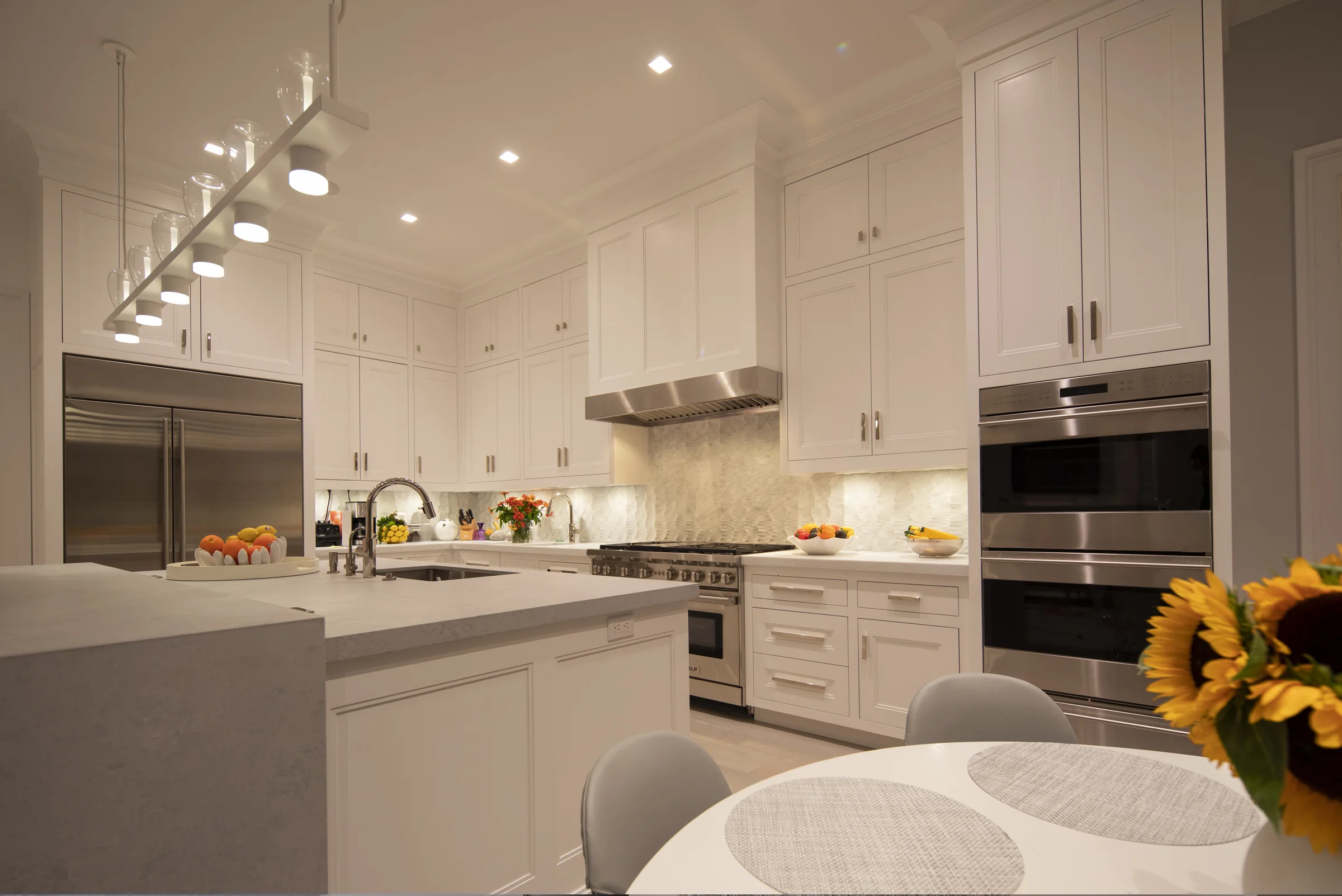
A kitchen at seven in the morning is a different room than the same kitchen at seven at night. One wants clean, bright light for coffee and lunches. The other wants something lower and warmer, the light you cook and linger in.
An adaptive lighting design can tell the difference. It notices which rooms are used, when, and for how long, then shapes brightness, color temperature, and the balance between layers of light without a scene being pressed. Shades follow the same logic, easing down as the afternoon sun moves across the west windows and opening again when it passes.
The point is a home that tracks the day you are actually having. A late night in the study. An early flight. A Sunday that starts at ten. The light follows along, rather than holding everyone to a program written at installation.
Comfort you never have to adjust
Every house holds heat differently. Stone and glass, old framing and new, a wing that faces the water and one that faces the woods. Over a few seasons, a learning climate system comes to know those differences. It begins to anticipate a cold morning instead of answering it, and lets an empty guest wing rest without anyone remembering to set it back.
For homes with solar, battery storage, or EV charging, the same intelligence can decide when energy is best stored, used, or held in reserve. On a property that sees storms, that judgment matters most when the grid goes quiet. More on Savant Power.
None of this should feel like managing an energy system. The owner notices two things: the house is comfortable, and the bills are lower than they used to be. The detail is there for anyone who wants it, and out of sight for everyone who does not.
Why it only works as one system
Intelligence needs context, and context lives across the whole house. A thermostat that knows nothing about the shades, or a media room that knows nothing about the lights, can only guess.
When lighting, shading, climate, audio, and video share one foundation, small things start to connect. The media room dims and draws its shades as the film begins. A rainy afternoon shifts the shading plan to let in more daylight. The home office is lit and set to temperature a few minutes before the morning call.
This is why we design around a single platform, with Savant and Lutron at the center, and build the network beneath it to the same standard as the rooms above it. A collection of clever devices is still a collection. A system designed as one is what gives the intelligence something to work with.
Where we hold back
A house that second-guesses its owners is worse than one that does nothing at all. So we are deliberate about where prediction belongs and where it does not.
- The everyday, not everything. We let the system learn the moments that repeat: morning light, evening comfort, the way a family settles into a room at night. Everything else stays one touch away.
- A clear override, always. A keypad, a remote, a word spoken aloud. When the house makes a change, it should be easy to see why and easy to undo.
- Intelligence that stays home. Wherever the platform allows, we favor processing on site over sending a household's routines to the cloud. It is faster, it keeps working when the internet does not, and it keeps private life private.
The goal is a home that responds. Never one that decides for you.
Where to begin
The most useful conversation we have with a client rarely starts with technology. It starts with the house.
How should the kitchen feel at breakfast. What a Friday evening looks like. Which room the family actually gathers in, and which one only looks good in photographs. When you leave for the season, and what you want waiting when you return.
Give us that, and we can design a system that learns from it and improves over time. You will not need to understand every capability. You will simply notice, a few months in, that the house has started to keep up with you.
The measure of it
The future of the home will not be judged by how much it can do. It will be judged by how little anyone has to think about it. Light that is right without a touch. A room at the right temperature without a thought. A house that pays attention so its owners do not have to.
Technology, made quiet.