

A smart home is a network first
Every device in your home is a door. The lighting keypads, the shades, the speakers in the ceiling, the locks, the televisions, the thermostat, every phone and laptop that comes through the front door. Each one connects to your home network, and each one is a way in.
We tend to think of a smart home in terms of what it does: the scene that dims the lights for dinner, the music that follows you from room to room, the shades that lower at sunset. All of that is real. But underneath every one of those moments is the same thing, the network. When the network is strong, the home feels calm and simple to live in. When it is not, the home feels unreliable, and it quietly becomes less safe.
That matters more today than it did even a year ago, because artificial intelligence is now on both sides of the front door.
AI is moving in
The homes we design today learn. Voice control understands natural requests instead of rigid commands. Routines adjust to how a family actually lives. Lighting, climate and shades respond before anyone touches a keypad. Control platforms like Savant are adding more intelligence every year, and the experience keeps getting better.
All of it asks more of the network underneath. More devices are talking to each other, more often, and many depend on a constant connection to the cloud. A network that was fine for a few laptops and a streaming box five years ago was never built for this. When it struggles, the symptoms are familiar: a keypad that lags, a scene that half runs, a movie that buffers, a video call that freezes in the one room you need it.
AI works on the other side too
The same technology that makes homes smarter is making attacks smarter. Phishing emails and texts used to be easy to spot, with awkward wording and obvious mistakes. AI now writes them in clean, convincing language that sounds like your bank, your contractor or a family member.
Automated tools can also scan home networks for the weakest link. That is rarely the laptop with up-to-date software. More often it is the forgotten device: an old router, a smart plug that has not been updated in years, a streaming box on the same network as the family's email and banking. One weak device can be the open door to everything else connected to it.
None of this is a reason for alarm. It is a reason to treat the home network the way it deserves to be treated, as the foundation of the house.
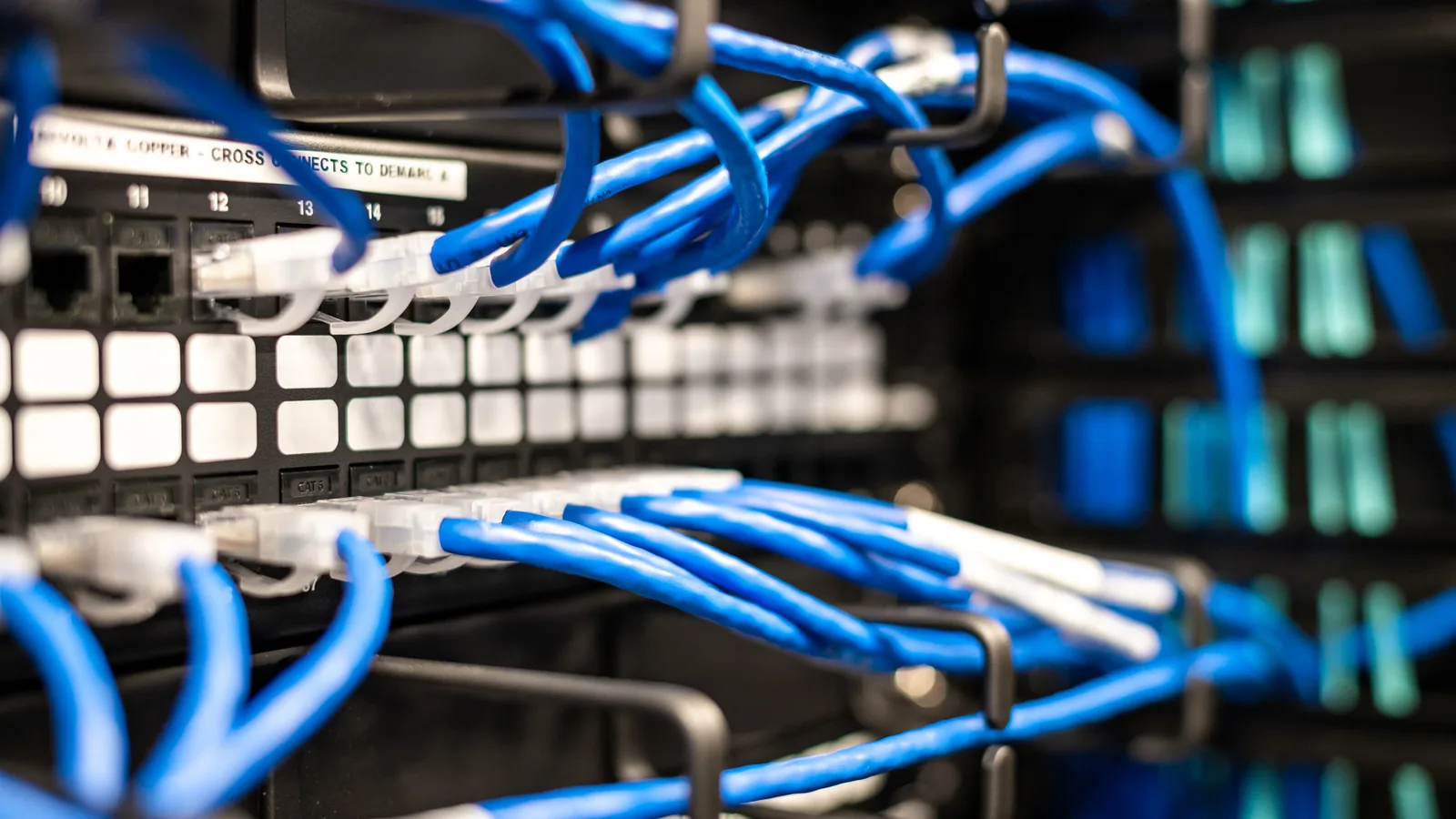
What a well-built home network looks like
A strong network is built, not bought. The router your internet provider hands you was designed to be good enough for an average house. It was not designed for a home with dozens of rooms, hundreds of connected devices and a family that expects everything to simply work. Here is what we put in place instead.
- Professional-grade hardware. Business-class routers, switches and wireless access points, placed and wired so every room has strong, consistent coverage, including the terrace, the pool house and the garage.
- Separate networks for separate purposes. The family's phones and laptops on one network. Guests on their own. Smart home devices on another. If one device is ever compromised, it cannot reach the others.
- Monitoring and updates. We watch the network, keep firmware current and catch problems before you notice them. Most weak points come from equipment that was installed once and never touched again.
- Clean infrastructure. A properly organized equipment closet with labeled cabling and reliable power, so the system is easy to service and expand.
- Built for what comes next. Capacity for the devices and AI features you will add over the next several years, not just the ones you have today.
The result is a home that feels calmer. Everything responds the first time, and the technology stays out of sight.
Why now
The holidays are the busiest weeks of the year for a home network. New devices arrive as gifts and get connected in a hurry. Guests bring their own phones, tablets and laptops and ask for the Wi-Fi password. Streaming, gaming and video calls run at the same time in every room.
It is also when most families are least willing to deal with a problem. Nobody wants to troubleshoot a router on Christmas morning.
That makes the next few weeks the right time to have your network reviewed. We assess what you have, find the weak points, and put a plan in place before the house fills up. Don't wait for the holidays to test it.
← All journal